Image

The undergraduate Creative Writing major at the University of Illinois, formerly known as the Rhetoric major, is one of the oldest of its kind in the country. Now in its seventh decade, the major combines small workshops (poetry, fiction, nonfiction) and a variety of literature courses.
Note: We also offer a Creative Writing minor. For an overview of our minor requirements, click here.
The undergraduate Creative Writing major at the University of Illinois, formerly known as the Rhetoric major, is one of the oldest of its kind in the country. Now in its seventh decade, the major combines small workshops (poetry, fiction, nonfiction) and a variety of literature courses. The result is a strong but flexible program of study that develops students' analytical and creative skills and prepares them for work or graduate study in any number of fields.

Students in the undergraduate program edit and publish an annual journal, Montage Arts Journal, which features poetry, fiction, nonfiction, and visual art by University of Illinois undergraduate student writers and artists. For more information about Montage, visit montagejournal.wordpress.com.
Through our program, writers shape their literary voices, develop distinctive styles, and intensify their written, critical, and editorial skills. Students write about what matters most to them and learn about contemporary literary publishing through developing their imaginative, expressive, and dynamic writing.
Creative Writing majors must complete at least one of the following 3-course (9-hour) sequences:
or
The remaining 3 hours in this category can be satisfied by a fourth CW Workshop outside of the chosen sequence. CW 404 and CW 406 may be repeated once for credit, but may not be repeated to fulfill this requirement.
3 hours of Writing and Literature coursework, either:
or
12 additional hours of approved ENGL coursework, including:
For more information on the Creative Writing major and minor, please visit our listings in the Academic Catalog:
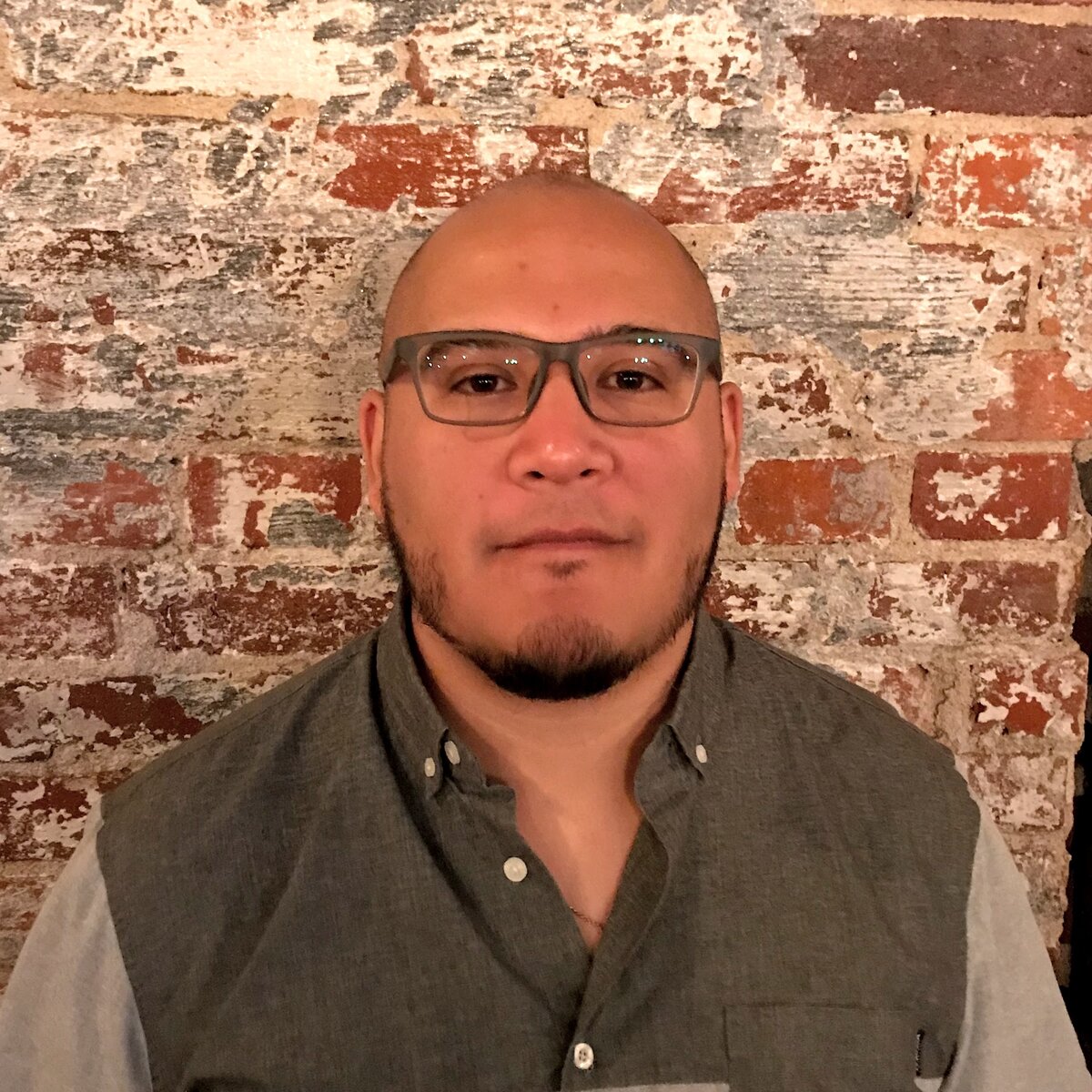
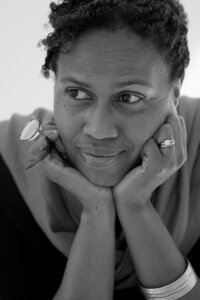
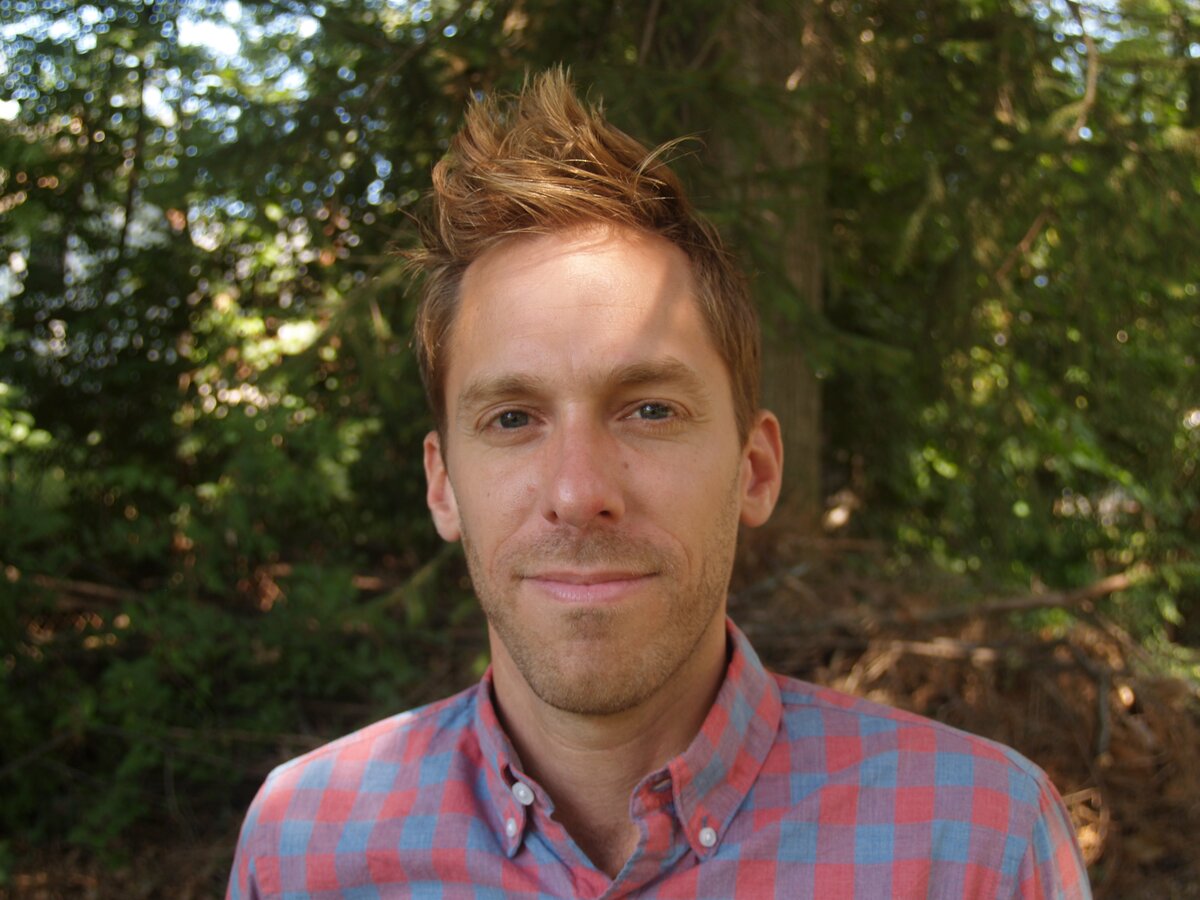
The faculty of the Creative Writing Program represent a diverse range of writing and teaching styles and interests and are actively working in various genres and media, including poetry, fiction, creative nonfiction, theater, and film. Faculty members have received numerous awards and fellowships. A small selection of these includes the Yale Series of Younger Poets, the Native Writers' Circle Award of the Americas Lifetime Achievement Award, the American Book Award from the Before Columbus Foundation, the Los Angeles Times Book Prize in Fiction, the FC2 National Fiction Competition, a Whiting Award, the A. Poulin Jr. Poetry Prize, the Kate Tufts Discovery Prize, the William Peden Prize, the Academy of American Poets Award, the Bakeless Prize, Wallace Stegner fellowships, and fellowships from the NEA, Guggenheim Foundation, Yaddo, MacDowell, Bread Loaf, Sewanee, and many others.
Follow the links below to learn more about our undergraduate Creative Writing program's core faculty members: